Chattanooga Whiskey
In 2012, you could not legally make whiskey in Chattanooga. A Prohibition-era law banned distilling in Hamilton County, and it had sat unchallenged on the books for nearly a hundred years — a relic from a time when the federal government had stronger feelings about your drinking habits than you did. Most people accepted it as unchangeable. Tim Piersant and Joe Ledbetter did not.
Chattanooga Whiskey was founded as a company that couldn't legally operate. They couldn't distill, couldn't barrel, couldn't sell their own product. What they could do — and what they did — was build a movement.
The "Vote Whiskey" campaign was part marketing, part genuine grassroots organizing. Billboards. T-shirts. A website that looked more like a political campaign than a liquor brand — because, in a real sense, it was. The message was simple: whiskey belongs in Chattanooga. The city had a distilling history that predated the Civil War. Chattanooga was a major whiskey-producing hub in the 1800s, before Prohibition shut it all down. That heritage had been locked away by a law nobody had bothered to revisit.
Piersant and Ledbetter understood something important about Tennessee politics: whiskey is practically a cultural institution. Telling Tennesseans they couldn't make whiskey in a city with a hundred-plus years of distilling history wasn't just a policy problem — it was a pride problem. The "Vote Whiskey" campaign didn't just ask legislators to change the law. It made them feel like they were restoring something that had been wrongfully taken.
The law that changed everything
In 2013, the Tennessee legislature repealed the ban. Hamilton County could distill again. And Chattanooga Whiskey — the company that had been founded on the premise that this law was outdated and unjust — became the first distillery to open in the city since Prohibition.
The founders didn't just build a business. They rewrote the rules so that others could too. Today, Hamilton County has multiple distilleries. Every one of them exists in part because Piersant and Ledbetter decided the law was worth fighting. That's a rare kind of legacy — normally, entrepreneurs compete for market share. These two competed for the right to exist, and when they won, they opened the door for an entire industry.
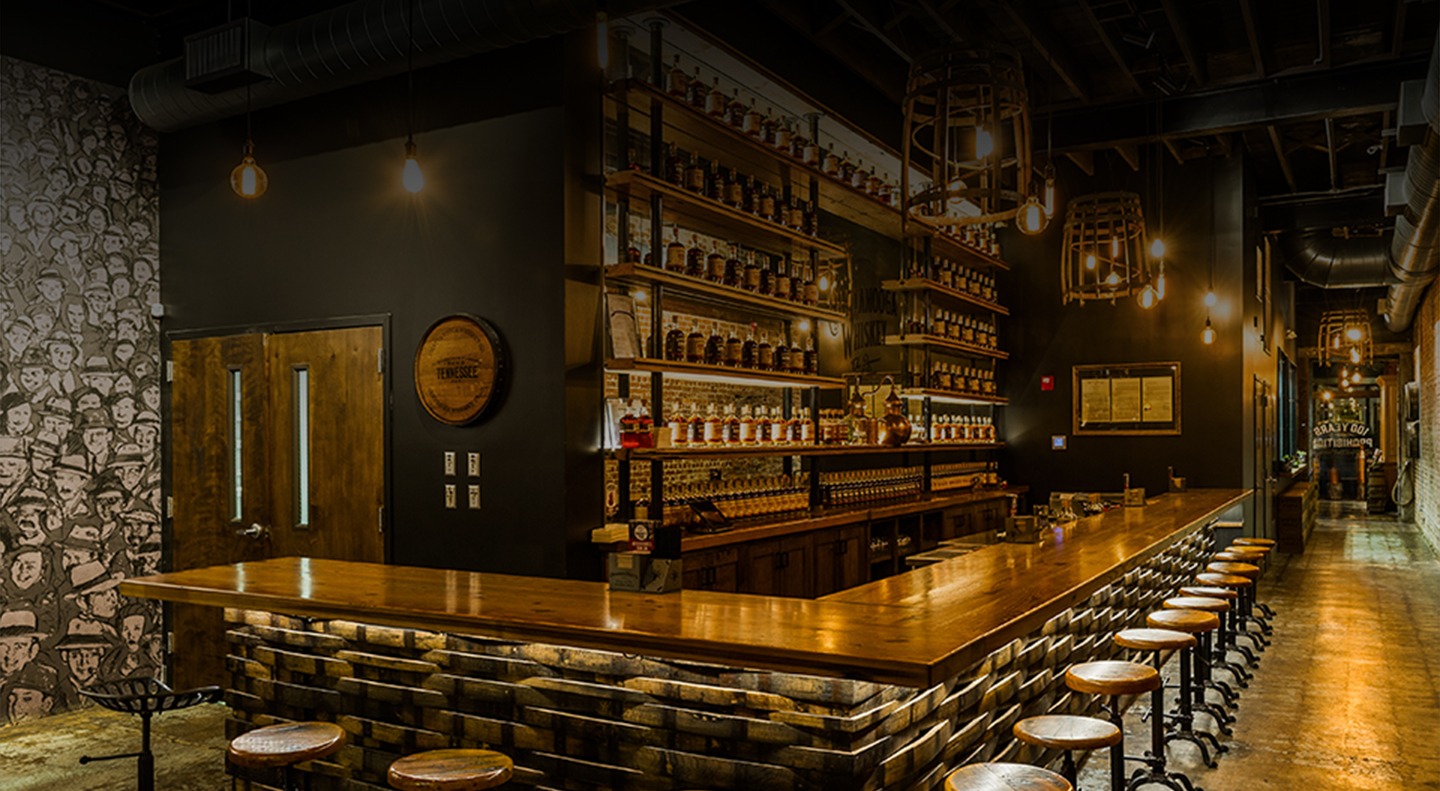
The Experimental Distillery opened in downtown Chattanooga in 2015 — a working production facility designed to be toured. The thinking was transparent: if people could see how the whiskey was made, taste it at the source, and talk to the people making it, they'd become ambassadors. It worked. The tours are booked solid on weekends. Walk through the doors on any given Saturday and you'll find a mix of locals who've been coming since opening day and tourists who heard about the place from a friend.
What's in the bottle
The story is remarkable. But you can't build a distillery on a story alone — you need the liquid to back it up. And Chattanooga Whiskey has been methodical about getting the whiskey right.
Their flagship, the Tennessee High Malt Bourbon, is built around a mash bill heavy on malted grains — barley, rye, and a touch of caramel malt — which gives it a rounder, richer character than the corn-heavy bourbons that dominate the category. It's a deliberate departure from Kentucky-style bourbon and from the charcoal-mellowed Lincoln County Process that defines Tennessee whiskey in most people's minds. They're not trying to make Jack Daniel's with a different label. They're making something that tastes like Chattanooga.
The Experimental Distillery is where the interesting work happens. Small batches. Unusual grains. Barrel finishes that read like a chef's tasting menu — sherry casks, rum barrels, experimental oak treatments. The Single Barrel program lets you buy a bottle from a specific barrel, with notes on when it was filled, what it was aged in, and what makes it distinct. If the Tennessee High Malt is the thesis statement, the experimental releases are the footnotes — sometimes brilliant, sometimes weird, always worth tasting.
They also make a mean cocktail. The distillery has a full cocktail menu built around their spirits, and the bartenders know the whiskey well enough to recommend pours based on what you normally drink. This matters more than it sounds — a lot of distillery tasting rooms pour samples and send you on your way. Chattanooga Whiskey built a bar worth staying at.
- Founded
- 2012 — by Tim Piersant and Joe Ledbetter. Launched before they could legally distill — fought to change state law first.
- Location
- Downtown Chattanooga — Experimental Distillery with tours open to the public
- Known for
- "Vote Whiskey" campaign that legalized distilling in Hamilton County, Tennessee High Malt Bourbon, experimental small-batch releases, 2026 Craft Producer of the Year
- Flagship
- Tennessee High Malt — a malt-forward bourbon distinct from traditional corn-heavy styles
- Experience
- Distillery tours, cocktail bar, Single Barrel program, experimental releases
Why Craft Producer of the Year matters
Winning Craft Producer of the Year in 2026 isn't just validation — it's industry recognition that this scrappy distillery, the one that had to get a law changed just to open its doors, is making some of the best whiskey in the country. The award evaluates everything: quality of the spirits, innovation in production methods, integrity of sourcing, and overall contribution to American craft distilling.
For context: the American craft distilling scene has exploded in the last decade. There are over 2,000 craft distilleries in the United States. Winning Producer of the Year means judges — experienced palates who taste hundreds of whiskeys annually — decided Chattanooga Whiskey was doing something exceptional. Not just good. Not just interesting. Exceptional.
What's next
The distillery is still experimenting. The Single Barrel program is growing. The tours are full. The Tennessee High Malt Bourbon, now nationally recognized, is finding its way onto back bars from Nashville to New York. And the Experimental Distillery continues to do what its name promises: try things.
Not bad for a company that started with a billboard, a ballot measure, and a legally unmakeable product. Chattanooga Whiskey didn't just build a distillery. They built the right to build one — and then they built one good enough to be named the best.
Find Chattanooga Whiskey
chattanoogawhiskey.com · Downtown Chattanooga · Tours and cocktail bar open to the public · Book a tour →
Get the next Chattanooga owner story
Noog Weekly sends one practical local business-owner interview when the next profile clears editorial QA. Free, readable, and easy to unsubscribe.
If the form misbehaves, email noogweekly@agentmail.to and we will add you manually. See something outdated? Use the same address with “correction” in the subject.
Know a business we should feature?
Profile freshness check
Route, keyboard skip-to-content path, main content landmark, archive link, recommended next read, latest issue route, subscriber path, manual subscribe fallback, no-JavaScript subscribe path, and correction contact were rechecked September 4, 2026. If a detail looks outdated, email noogweekly@agentmail.to so this profile stays useful after publication.